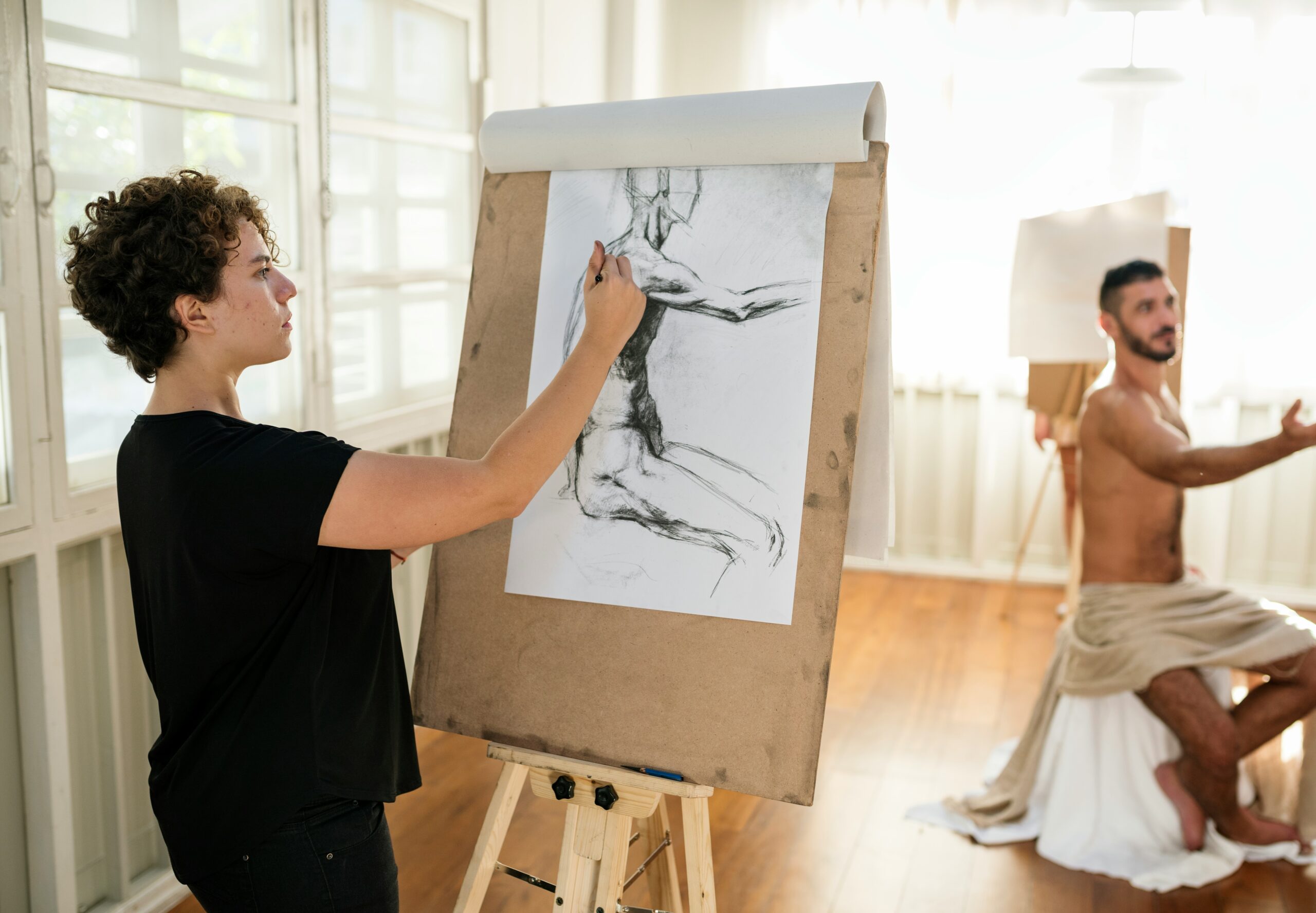
Becoming a professional artist begins with a journey that blends curiosity, practice, and structured learning. Many beginners feel overwhelmed by where to start, but understanding clear training pathways can help turn a passion into a career. By following a step-by-step approach, aspiring artists can develop technical skills, build a strong portfolio, and navigate the professional art world with confidence.
Artistic growth depends on consistent practice and exposure to different techniques. Beginners often start by experimenting with various mediums, such as drawing, painting, digital art, or sculpture, to discover their strengths and preferences. This exploratory stage is crucial for building a foundation, as it allows artists to identify the areas where they want to specialize and grow.
Exploring Beginner Training Options
For those just starting, beginner training options provide structured guidance and essential skills. Local art classes, online tutorials, and workshops offer step-by-step instruction in fundamentals like color theory, composition, and perspective. Participating in these programs helps beginners build confidence while learning the tools and techniques needed for more advanced work.
In addition, beginner courses encourage experimentation and personal expression. Students learn to translate ideas into visual forms and receive feedback that guides improvement. By investing in accessible training early on, aspiring artists create a strong base that prepares them for more specialized learning opportunities.
Developing Technical Skills
Technical skills form the backbone of professional artistry. As beginners progress, focusing on mastering specific techniques becomes essential. This may include improving figure drawing, mastering digital illustration software, or exploring mixed media methods. Regular practice and repetition reinforce skills and lead to consistent quality in finished work.
Moreover, attending structured classes or workshops designed for intermediate skill levels can accelerate growth. These programs often provide detailed instruction, critiques, and exercises that challenge artists to refine their technique. By combining self-guided practice with professional instruction, artists strengthen their capabilities and gain confidence in their craft.
Building a Strong Portfolio
A strong portfolio is vital for transitioning from beginner to professional. It showcases an artist’s skills, style, and versatility, and is often the first impression for galleries, clients, or potential employers. Portfolios should highlight both technical mastery and personal creativity, demonstrating the artist’s ability to tackle different subjects and mediums.
In addition to quality work, a portfolio benefits from careful organization. Grouping pieces by theme, medium, or project type helps reviewers navigate the collection and understand the artist’s strengths. Updating the portfolio regularly ensures it reflects current skills and artistic growth, making it an effective tool for pursuing professional opportunities.
Seeking Mentorship and Feedback
Mentorship plays an important role in the development of emerging artists. Experienced mentors can provide guidance on technique, portfolio development, and navigating the professional art world. They offer feedback that helps artists identify strengths, address weaknesses, and make informed decisions about their training and career path.
Regular critiques from mentors or peer groups encourage reflection and improvement. Feedback helps artists see their work from different perspectives, refine ideas, and develop a unique style. By actively seeking guidance and responding to constructive criticism, artists can accelerate their journey from beginner to professional.
Exploring Advanced Training Pathways
Advanced training pathways prepare artists for professional careers by focusing on specialization, concept development, and industry standards. These pathways include formal education, such as bachelor’s or master’s degrees in fine arts, as well as specialized programs in digital art, illustration, or commercial design. Advanced courses often combine practical projects with theoretical knowledge, helping artists understand both technique and context.
Professional workshops, residencies, and intensive programs also offer opportunities to work with established artists and industry professionals. These experiences provide real-world insight, exposure to professional practices, and networking opportunities. Advanced training challenges artists to push their creativity while preparing them to meet industry expectations.
Understanding Career Opportunities
Professional artist training pathways also involve exploring career opportunities. Artists can pursue careers in galleries, animation, game design, illustration, or freelance work. Understanding the range of possibilities helps artists make informed choices about which skills to develop and what types of projects to focus on.
Additionally, career planning involves building a personal brand and marketing skills. Artists must learn to present themselves professionally, promote their work online, and connect with clients or collaborators. Combining artistic skill with business knowledge ensures that creative talent translates into sustainable professional success.
Practicing Consistency and Discipline
Consistency and discipline are critical for long-term growth. Professional artists maintain regular practice schedules, set goals, and continually challenge themselves with new projects. Discipline helps build technical expertise, artistic confidence, and resilience in the face of creative challenges.
Furthermore, consistent practice fosters originality and innovation. By dedicating time to experimentation, sketching, or producing finished works, artists refine their voice and develop a recognizable style. Regular effort also increases productivity, enabling artists to produce the quantity and quality of work needed to succeed professionally.
Networking and Professional Development
Networking is a key element of professional artist training pathways. Attending exhibitions, joining artist associations, and participating in online communities allow artists to connect with peers, mentors, and potential clients. These connections can lead to collaboration, exhibition opportunities, and exposure to new techniques or trends.
Professional development extends beyond skill-building to understanding the industry. Learning about contracts, commissions, gallery representation, and digital promotion prepares artists for real-world challenges. By combining artistic growth with industry knowledge, artists position themselves to navigate the professional landscape successfully.
Embracing Lifelong Learning
The journey from beginner to professional artist is ongoing. Even experienced artists continue to learn, experiment, and adapt to new tools, mediums, and trends. Lifelong learning ensures that skills remain current and that creativity continues to evolve, keeping artists relevant in an ever-changing art world.
Additionally, embracing lifelong learning helps artists stay inspired and motivated. Participating in workshops, online courses, or collaborative projects allows for continuous growth and exploration. By viewing development as an ongoing process, artists cultivate both skill and passion, sustaining long-term success.
Conclusion: Navigating Training Pathways With Purpose
Becoming a professional artist requires thoughtful navigation of training pathways, from beginner courses to advanced specialization. By developing technical skills, building a strong portfolio, seeking mentorship, exploring career options, practicing consistently, networking, and embracing lifelong learning, aspiring artists create a roadmap to success. Each stage builds upon the last, ensuring steady progress and professional readiness.
Ultimately, the key to success lies in dedication, curiosity, and strategic planning. Artists who follow structured pathways while allowing room for creativity and exploration can transform their passion into a fulfilling career. With persistence and focused effort, beginners can evolve into professional artists equipped to thrive in a dynamic and rewarding industry.