Media production has changed dramatically over the last decade. Today’s producers handle far more than cameras and editing software. They now manage digital platforms, social media content, live streaming, and audience engagement across multiple channels. Because of this shift, producers need a wide mix of technical abilities to stay competitive. In modern content creation, digital video editing remains one of the most valuable skills for professionals working across television, film, podcasts, and online media.
Technology continues shaping how audiences consume content every day. Viewers now expect high-quality visuals, fast delivery, and engaging storytelling on every platform. Therefore, media producers must understand both creative and technical processes. Strong technical knowledge not only improves production quality but also helps teams work faster and more efficiently.
Video Editing Remains a Core Ability
Video editing sits at the center of modern media production. Producers often work with raw footage, graphics, sound effects, and transitions to create polished final content. Because audiences expect professional-quality videos, editing skills remain essential in nearly every media role.
Many producers use software like Adobe Premiere Pro, Final Cut Pro, or DaVinci Resolve. These programs help editors organize clips, adjust color, improve audio, and add visual effects. Furthermore, producers who understand editing workflows can communicate more effectively with creative teams.
Fast editing also matters in today’s digital world. Social media and streaming platforms demand constant content updates. As a result, producers who can edit quickly while maintaining quality often stand out in competitive industries.
Audio Production Skills Matter More Than Ever
Clear audio plays a huge role in the audience experience. Poor sound quality can damage even the best visual content. Therefore, producers must understand recording, mixing, and audio editing techniques for various media projects.
Podcasting growth has also increased demand for strong audio production skills. Many brands and creators now produce podcasts regularly to connect with audiences. Because of this trend, producers often work with microphones, audio software, and sound design tools.
Audio balancing remains especially important. Producers must ensure that dialogue, music, and effects work together smoothly without overpowering one another. Consequently, strong sound management helps create more professional and engaging content.
Live Streaming Knowledge Supports Modern Content
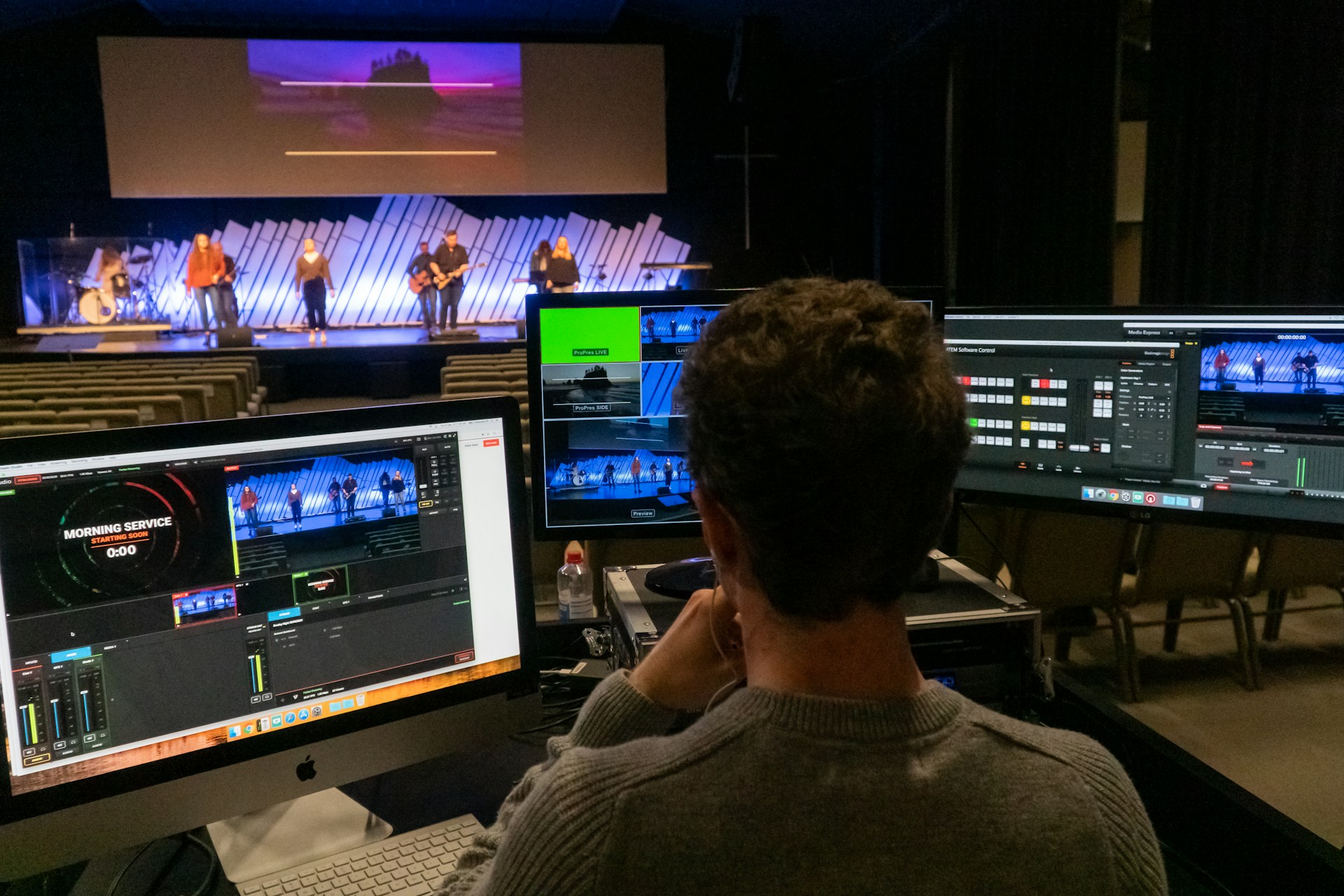
Live streaming has become one of the fastest-growing areas in digital media. Businesses, influencers, and entertainment companies now use live video to connect with audiences instantly. Because of this, producers need technical knowledge related to streaming platforms and live broadcasting systems.
Live production requires careful coordination. Producers often manage cameras, graphics, internet connections, and audience interaction simultaneously. In addition, technical issues during live broadcasts require quick problem-solving skills.
Streaming platforms also continue evolving rapidly. Producers who stay up to date with platform tools and audience trends often create stronger live experiences. Therefore, adaptability remains important in this area of media production.
Graphic Design Enhances Visual Storytelling
Modern audiences respond strongly to visual presentation. Graphics help producers improve storytelling, branding, and audience engagement across different platforms. As a result, many media professionals now learn basic graphic design skills alongside video production.
Producers often create thumbnails, social media graphics, titles, and promotional materials. Programs like Photoshop, Illustrator, and Canva support these tasks effectively. Furthermore, design consistency helps brands maintain a professional image across all content channels.
Visual storytelling also supports audience retention. Attractive graphics can make content easier to understand and more enjoyable to watch. Because of this, producers with design knowledge often bring additional value to creative teams.
In the middle of modern production workflows, multimedia content creation has become a critical skill for integrating video, graphics, audio, and digital publishing. Producers who understand multiple content formats can adapt more easily to changing industry demands.
Social Media Platform Expertise Is Essential
Social media now accounts for a large share of media distribution. Producers must understand how different platforms operate and which types of content perform best on each one. Without this knowledge, even high-quality content may fail to reach audiences effectively.
Each platform has unique requirements and audience behaviors. Short videos may work well on TikTok and Instagram, while longer content often performs better on YouTube. Therefore, producers need technical knowledge about formatting, resolution, and platform optimization.
Analytics tools also help producers track engagement and audience growth. By studying data, teams can improve future content strategies. Consequently, knowledge of social media has become a necessary part of modern media production.
Camera Operation and Lighting Still Matter
Despite digital growth, traditional production skills remain extremely important. Producers still need a strong understanding of camera systems, framing, and lighting techniques. These skills directly affect the quality and professionalism of final content.
Lighting shapes mood, clarity, and visual appeal. Poor lighting can reduce production quality even when using expensive equipment. Because of this, producers must understand how to control both natural and artificial light sources effectively.
Camera technology also continues to advance quickly. Many productions now use drones, mirrorless cameras, and cinematic stabilization systems. Producers who stay up to date with new equipment trends often gain stronger career opportunities.
Data Management Improves Workflow Efficiency
Modern productions generate huge amounts of digital files. Producers must organize footage, audio, graphics, and project files carefully to avoid delays and technical problems. Therefore, data management skills have become increasingly valuable.
Cloud storage systems and collaborative editing platforms are now widely used by many production teams. These tools allow remote work and faster content sharing across departments. In addition, organized file management reduces the risk of losing important project materials.
Cybersecurity awareness also matters in media production. Producers often handle confidential footage and sensitive business content. Consequently, understanding secure storage and file protection helps maintain professional standards.
Technical Adaptability Shapes Future Success
Technology in media production changes constantly. New software, platforms, and production methods appear every year. Therefore, successful producers must stay flexible and continue learning throughout their careers. In addition, streaming media technology continues to create new opportunities for producers who understand digital broadcasting, audience interaction, and platform innovation.
Modern media companies value professionals who combine creativity with technical expertise. Producers who can edit video, manage audio, understand social media, and solve technical problems often become more valuable to employers and clients. As the media industry continues evolving, technical skills will remain essential for long-term success and career growth.