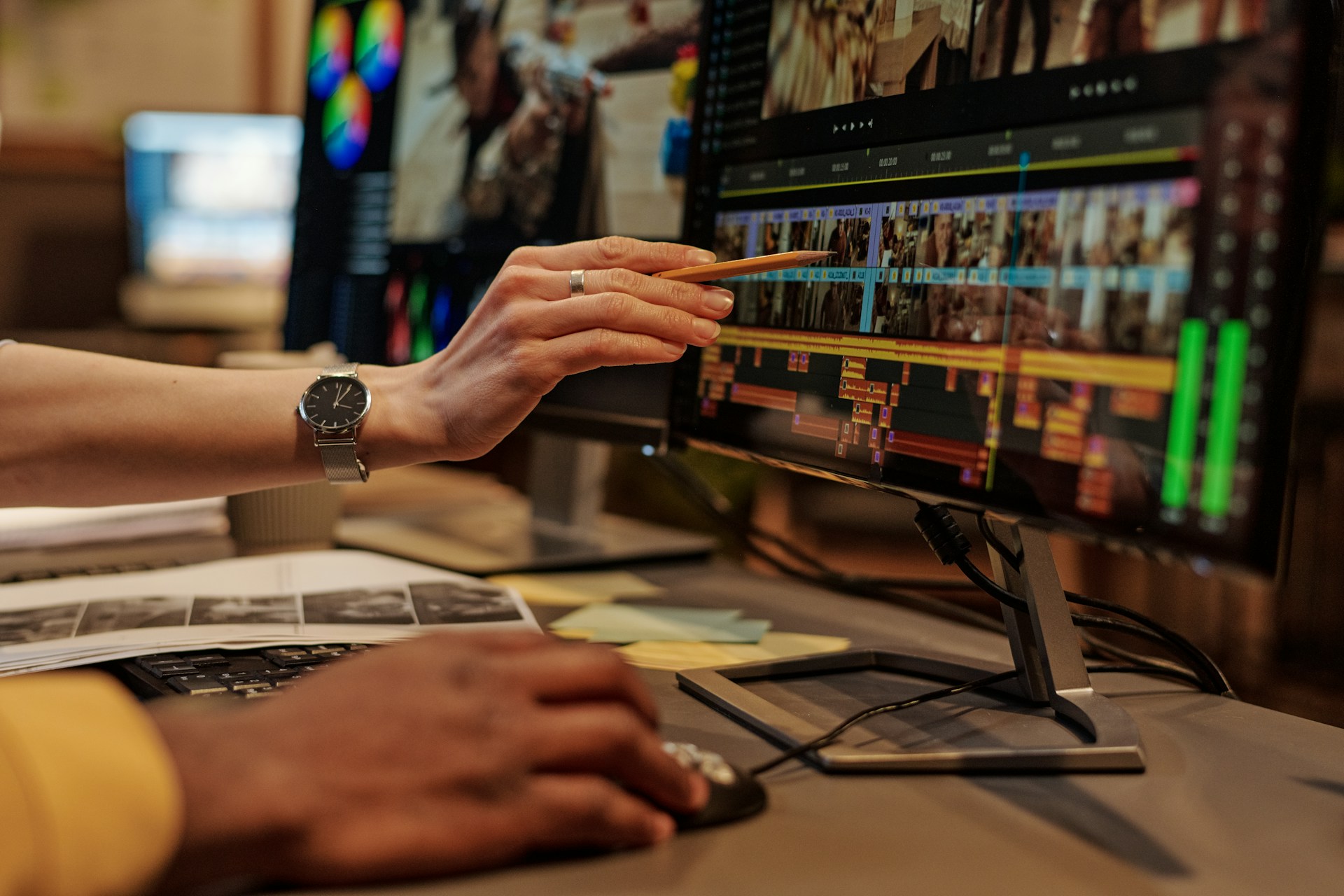
The media industry has changed rapidly, and producers now need more than creativity to succeed. While storytelling remains important, technical expertise has become just as critical. In fact, professionals who understand digital media production tools can create higher-quality content and work more efficiently. These tools allow producers to manage complex projects, meet tight deadlines, and deliver engaging content across multiple platforms.
Moreover, modern audiences expect polished visuals, clear audio, and fast delivery. Because of this, media producers must keep up with evolving technology. Those who build strong technical skills can stay competitive and adapt to industry changes with confidence.
The Changing Role of a Media Producer
Media producers once focused mainly on coordinating projects and managing creative teams. However, their role has expanded significantly. Today, they often handle editing, content distribution, and technical troubleshooting. This shift makes technical knowledge a key part of daily work.
In addition, producers must understand how different platforms operate. Each platform has its own format, audience behavior, and technical requirements. Therefore, producers who can adjust content for various channels have a clear advantage. This flexibility helps them reach wider audiences and improve engagement.
Why Technical Skills Are Essential
Technical skills help media producers work more efficiently and achieve better results. Without these skills, even the most creative ideas may fail due to poor execution. Therefore, understanding tools and software is just as important as having a creative vision.
Furthermore, technical knowledge improves collaboration. When producers understand editing, sound design, and visual effects, they can communicate more effectively with their teams. This clarity reduces mistakes and ensures smoother workflows.
Another key benefit is independence. Producers with technical skills can handle multiple tasks without relying heavily on others. As a result, they can meet deadlines more easily and maintain better control over their projects.
Video Editing and Post-Production Skills
Video editing stands at the core of modern media production. Producers must know how to cut footage, adjust timing, and create smooth transitions. These skills help shape the final story and keep audiences engaged.
Additionally, post-production involves color correction, sound editing, and visual effects. Each of these elements contributes to the overall quality of the content. Therefore, mastering editing software like Adobe Premiere Pro or Final Cut Pro can greatly improve a producer’s output.
While mastering these tools, many professionals also focus on video editing and storytelling techniques to enhance their work. Strong storytelling combined with technical precision creates content that connects with viewers on a deeper level.
Audio Production and Sound Design
Clear audio is just as important as strong visuals. Poor sound quality can quickly turn audiences away, even if the video looks great. Therefore, media producers must understand audio recording, editing, and mixing.
Moreover, sound design adds depth and emotion to content. Background music, sound effects, and voiceovers all contribute to the overall experience. Producers who can manage these elements effectively can create more immersive content.
Learning tools like Audacity or Adobe Audition can help producers improve audio quality. As a result, their projects will sound more professional and engaging.
Understanding Visual Design and Graphics
Visual design plays a major role in media production. Producers must understand basic design principles such as color, layout, and typography. These elements help create visually appealing content that captures attention.
In addition, motion graphics and animation have become increasingly popular. Producers who can use tools like After Effects can add dynamic elements to their projects. This ability helps content stand out in a crowded digital space.
Furthermore, strong visual design supports brand identity. Consistent visuals make content more recognizable and help build trust with audiences.
Knowledge of Content Distribution Platforms
Creating content is only part of the job. Producers must also know how to distribute it effectively. Each platform, whether YouTube, Instagram, or streaming services, has unique requirements.
Therefore, understanding platform algorithms and formats is essential. Producers who optimize their content for each platform can reach larger audiences and increase engagement. This knowledge helps ensure that content performs well after it is published.
Additionally, scheduling and analytics tools can help track performance. By analyzing data, producers can refine their strategies and improve future content.
Basic Coding and Technical Troubleshooting
While not all media producers need to become programmers, basic coding knowledge can be helpful. Understanding HTML, CSS, or simple scripting can make it easier to manage digital content and solve technical issues.
Moreover, technical troubleshooting skills are essential. Equipment and software problems can occur at any time. Producers who can quickly identify and fix issues can avoid delays and keep projects on track.
This ability also reduces reliance on technical support, thereby saving time and improving efficiency.
Project Management and Workflow Tools
Media production often involves multiple tasks and tight deadlines. Therefore, strong project management skills are essential. Tools like Trello, Asana, or Monday.com can help organize tasks and track progress.
In addition, workflow tools improve collaboration. Teams can share updates, assign tasks, and manage timelines more effectively. This structure helps ensure that projects stay on schedule.
Producers who understand these tools can handle complex projects more easily. As a result, they can consistently deliver high-quality content.
Adapting to New Technologies
Technology continues to evolve, and media producers must keep up. New tools, platforms, and techniques appear regularly. Therefore, continuous learning is essential for long-term success.
For example, virtual reality and augmented reality are becoming more common in media production. Producers who explore these technologies can create innovative content that stands out.
In addition, artificial intelligence is changing how content is created and edited. Producers who learn to use AI tools can work more efficiently and stay ahead of trends.
Building a Future-Ready Media Career
Success in media production now depends on a mix of creativity and technical skill. Producers who invest in both areas can create better content and adapt to industry changes. This balance is key to building a strong and lasting career.
Ultimately, mastering multimedia production skills for professionals allows media producers to stand out in a fast-changing industry. With the right combination of skills, they can create impactful content and achieve long-term success.
In the long run, technical skills will continue to shape the future of media production. Therefore, producers must stay curious and open to learning new tools. By doing so, they can remain competitive and deliver high-quality work.